African Data &
Biospecimen Exchange


Popular listings
Cutibacterium avidum UC0700102
Pure isolate of Cutibacterium avidum, isolated from an individual in Cape Town, Western Cape, South Africa
Lactobacillus gasseri UC0700110
Pure isolate of Lactobacillus gasseri, isolated from an individual in Cape Town, Western Cape, South Africa
Lactobacillus crispatus UC0680309
Pure isolate of Lactobacillus crispatus, isolated from an individual in Cape Town, Western Cape, South Africa
Latest blog posts
Matchmaking for science
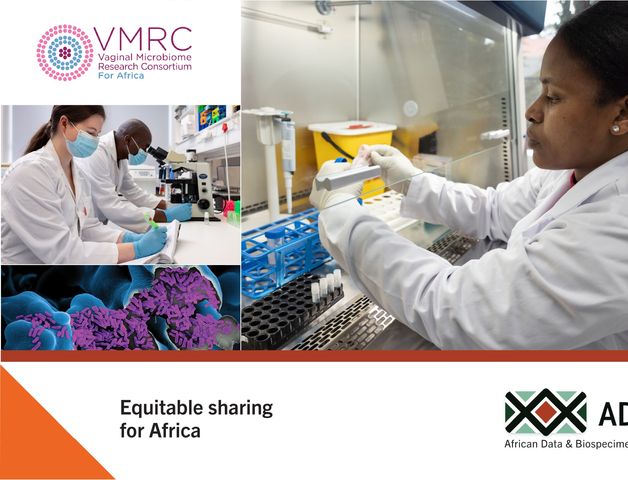
The team at VMRC4Africa has been making use of the ADBEx platform to list their culture collection. Jo-ann Passmore and Brian Kullin share more about their experience and why they use it.
Coming soon: The Data Sharing License by ADBEx
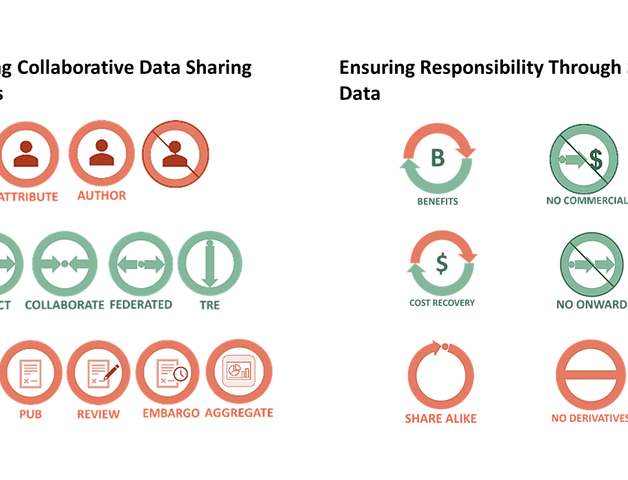
The Data-Sharing License by ADBEx is a new online tool that helps data custodians clearly define and communicate conditions for responsible data re-use. Inspired by Creative Commons, it generates human- and machine-readable licenses, customised icons, and embeddable summaries to support transparent, equitable, and accountable data sharing.

Get in Touch with the ADBEx Team
Building Equity into Research: Practical Ways to Share the Benefits
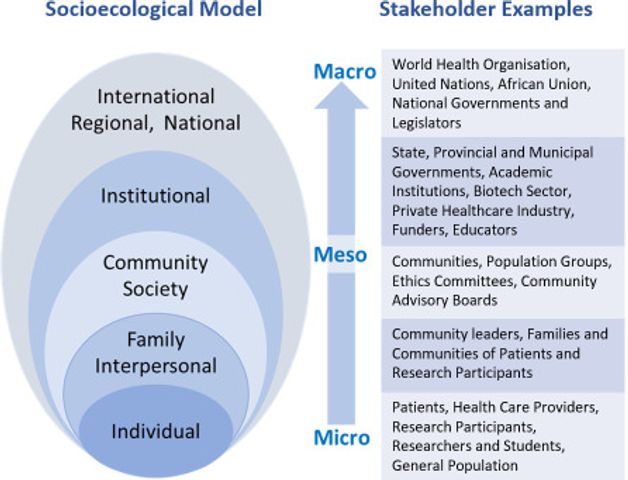
This blog post explores how researchers can build equity and sustainability into their work by sharing the benefits of research in meaningful, practical ways. Drawing on a socio-ecological model, it highlights options like training and capacity building, investing in local infrastructure, collaboration with primary data generators, and strengthening health systems.